Giada Poggini

Sentieri panoramici nella natura della Valtiberina Toscana

Nature and Trails in Valtiberina Tuscany

Nature and Trails in Valtiberina Tuscany | Trekking, cycling and slow tourism Valtiberina Tuscany is a valley meant to be experienced slowly, step by step.Here, nature is not a backdrop but a constant presence: forests, hills, trails, white roads and wide-open views accompany travellers who wish to explore the land with respect and awareness. If you love slow travel and you’re wondering how to truly experience nature and hiking trails in the Tuscan Valtiberina, this article is part of our guide on what to do in Valtiberina Tuscany. It will walk you through routes, outdoor experiences, and places where you can reconnect with nature. A valley shaped for walking If you love slow travel and you’re wondering how to truly experience nature and hiking trails in the Tuscan Valtiberina, this article is part of our guide on what to do in Valtiberina Tuscany. It will walk you through routes, outdoor experiences, and places where you can reconnect with nature. The landscape of Valtiberina is naturally suited for walking: gentle slopes, panoramic ridges, and a dense network of trails crossing forests, countryside, and small villages. Walking in Valtiberina means: slowing down your pace listening to natural sounds following ancient rhythms The territory is ideal both for easy walks and for more structured trekking, perfect for those seeking a balance between movement and contemplation. Many trails connect small villages and historic towns, making walking an ideal way to discover the villages to visit in the Tuscan Valtiberina, while slowly entering their everyday rhythm. Hiking and nature walks The trails of Valtiberina allow for gradual and accessible exploration of the land. Among the most appreciated experiences: walks through woods and cultivated fields panoramic paths overlooking the valley routes connecting villages, hermitages, and rural churches itineraries suitable for families Every season offers different atmospheres: spring is bright and fragrant, summer invites morning and evening excursions, and autumn colors the woods with warm tones. For those who want to explore these routes further, we have gathered a selection of trekking routes and nature walks in the Tuscan Valtiberina, suitable for different levels and seasons. Mountain bike and e-bike trails The Tuscan Valtiberina is increasingly appreciated by travelers who love exploring the area on two wheels. White gravel roads, dirt tracks, and hillside paths offer mapped routes for mountain bikes and e-bikes, suitable for different skill levels and ideal for discovering the countryside in an active yet sustainable way. To explore the valley by bike, you can follow our itineraries dedicated to mountain bike and e-bike routes in the Valtiberina Tuscany, designed to help you experience the territory in a responsible and sustainable way. Cycling in the Valtiberina means passing through agricultural landscapes, woods, and panoramic ridges, following routes created to enhance the territory without forcing it — the real spirit of slow travel. Horseback riding: nature at a slow pace Among the most sought-after experiences in Valtiberina are horseback excursions, perfect for travellers seeking a respectful and direct connection with nature. The routes cross: country paths quiet forests open and scenic landscapes Horseback excursions in the Tuscan Valtiberina allow you to experience the landscape from a different perspective, following the slow rhythm of nature. Lake Montedoglio and its landscapes Lake Montedoglio is one of the most evocative natural elements of the Valtiberina.Surrounded by hills and cultivated fields, the lake is ideal for: • relaxing walks• moments of contemplation• nature photography It is a perfect stop for travelers who wish to alternate walking with rest, movement with silence. Field Archery in Nature: focus, balance and slow movement Among the lesser-known but most fascinating outdoor activities in Valtiberina Tuscany, there is field archery (archery practiced along a natural trail) — an experience that combines movement, concentration and a deep connection with nature. Practised in a parkour in the woods and clearings, field archery allows you to move slowly along paths dotted with targets, fully immersed in the landscape. It’s not a competitive sport here, but an experiential activity that invites you to slow down, observe and find balance. This activity is suitable for beginners, families and adults, ideal for travellers looking for outdoor experiences in Tuscany that go beyond traditional hiking, while staying aligned with the spirit of slow and conscious travel that defines the Valtiberina. Among the many nature activities in Valtiberina Tuscany, field archery offers a unique opportunity to train focus and awareness — in complete harmony with the landscape around you. Franciscan paths and places of the spirit The Valtiberina is also a land of spirituality, silence, and meditation, crossed over the centuries by the St. Francis of Assisi trail. Among the most significant places: the Sanctuary of La Verna, surrounded by the forests of the Casentino Montecasale, an ancient Franciscan hermitage near Sansepolcro the Hermitage of Cebaiolo, a quiet and secluded place overlooking the valley These places can be reached through trails that combine trekking, spirituality, and a deep connection with nature, offering a regenerating and authentic experience. They are not only hiking destinations, but part of the cultural and spiritual history of the valley — a tradition that continues today through the art, crafts, and heritage of the Tuscan Valtiberina. Nature and seasons: when to enjoy the trails of the Valtiberina The traditions of the Valtiberina are not just historical reenactments, but moments deeply lived by the local community, where memory, identity, and participation come together. At Sansepolcro, the Palio della Balestra celebrates the ancient Italian crossbow, a strong symbol of the town’s identity.In Anghiari, the Palio della Vittoria recalls the historic battle of 1440.In Pieve Santo Stefano, the Palio dei Lumi lights up the historic center with candles and evening celebrations.Events such as Centogusti dell’Appennino tell the story of the territory through food and local products. These events allow visitors to connect with the living culture of the valley.They are part of a wider calendar of events in the Tuscan Valtiberina, marking the year according to the rhythm of the seasons and community life. Where to stay to experience Valtiberina’s

Nature and Trails in Valtiberina Tuscany Read Post »

Art and traditions in Valtiberina

Art and traditions in Valtiberina: cradle of the Renaissance

Where art, landscape and memory come together The Valtiberina is a land where art grows naturally from the landscape, from human work and from the resources of nature.Here, painting, craftsmanship and popular traditions are not separate elements, but parts of a single story shaped by territory, manual skills and collective memory. Discovering art and traditions in Valtiberina means engaging with an authentic cultural heritage, where ancient knowledge continues to dialogue with the present.This experience is part of a broader journey through eastern Tuscany, connected to villages, nature and everyday life. Piero della Francesca and the Valtiberina: art shaped by territory The Valtiberina is inseparably linked to Piero della Francesca, one of the greatest masters of the Italian Renaissance.Born in Sansepolcro, Piero developed here his vision of the world: an artistic language founded on balance, light and harmony between human presence, architecture and landscape. The hills, village geometries and clear light of the valley recur in his works, transformed into a universal visual language.Visiting the Valtiberina means following Piero’s traces in their original context, where art and territory still communicate quietly and authentically, across historic towns, walking paths and nature trails. Sansepolcro and The Resurrection Sansepolcro is the place where Piero della Francesca was born, and the town to which he remained deeply connected throughout his life.Here, the artist found the cultural and landscape roots that shaped his pictorial language. His work developed around balance, light and mathematical rigor, elements strongly influenced by the harmony between architecture, landscape and human presence. Not by chance, Sansepolcro is also the birthplace of Luca Pacioli, mathematician and humanist, and a central figure of the scientific Renaissance.With him, Piero shared a deep interest in perspective and proportions, linking art and mathematical thought. Today, the city preserves one of the most important collections of Piero della Francesca’s works, housed in the Civic Museum of Sansepolcro.Here, visitors can admire masterpieces such as The Resurrection, one of the symbolic works of the Italian Renaissance. The collection also includes the Polyptych of the Misericordia and other paintings that clearly trace the artist’s evolution. The architecture, the surrounding landscapes and the careful use of light reflect a deep bond with the Valtiberina, often visible in the backgrounds of Piero’s works. Visiting Sansepolcro means walking through a city that has preserved a living dialogue between art, science and territory. The urban fabric, the light on stone and the open horizon of the valley help explain how Piero della Francesca and Luca Pacioli shaped this place together. Their legacy transformed Sansepolcro into a Renaissance center of thought with universal reach. Following the traces of Piero della Francesca and Luca Pacioli also means passing through some of the main villages to visit in the Valtiberina.Here, the relationship between art, architecture and landscape remains clearly visible today. Monterchi and the Madonna del Parto Monterchi is a small and intimate village, immersed in the gentle landscape of the Valtiberina.The village is inseparably linked to one of Piero della Francesca’s most symbolic and personal works, the Madonna del Parto. The fresco is preserved in the Madonna del Parto Museum and represents a unique work in the history of Renaissance art.Its subject, a pregnant Madonna, and its formal and chromatic balance make it an exceptional painting. Visiting Monterchi means entering a silent and contemplative dimension, where art and spirituality engage with the surrounding landscape.The museum is essential and intimate, allowing a direct and profound encounter with the artwork. Far from mass tourism, the visit encourages a slow and conscious experience. The bond between the fresco and the territory is still deeply felt today.For centuries, the Madonna del Parto has been an object of popular devotion, especially among women. Over time, it has become a symbol of protection, fertility and continuity of life. This is an intense cultural experience that tells the story of an intimate Valtiberina.Here, art is born from the land and returns to it within the villages of the valley. Guado: the symbolic blue of Piero della Francesca In Valtiberina, blue has never been just a colour — it is something deeply rooted in the landscape.In the paintings of Piero della Francesca, born in Sansepolcro, blue plays a central role: measured, luminous, and always in dialogue with the light and geometry of the valley. That blue also came from guado, a dye plant historically cultivated throughout the area.Along streams, canals and ancient mills, guado was processed and transformed into pigment through water and time, within a landscape shaped by nature and walking paths.This widespread network of fields and mills became known as the “Via del Blu”: an invisible route connecting nature, agriculture and artistic production. It is said that in some stretches the water itself once ran tinted with colour, reflecting deep blue shades along the valley.Today, this memory still tells the story of a place where art, landscape and traditional craftsmanship are closely intertwined — a quiet but powerful reminder of Valtiberina’s cultural heritage and its timeless, slow rhythms. Textile craftsmanship and the Busatti tradition The deep connection between colour, landscape and craftsmanship is still alive today in the local traditions of Valtiberina Tuscany.In Anghiari, the historic Busatti textile workshop continues to use GUADO as a natural dye for its traditional fabrics, reviving an ancient practice closely linked to the history and fields of the valley. Inside the workshop, traditional looms — some still operating — reveal a fascinating dialogue between past and present.The combination of natural dyes, artisanal techniques and careful design creates a balance made of craft quality, sustainability and aesthetics — a living tradition that evolves without losing its roots. Caprese Michelangelo and the origins of genius The Valtiberina is also the birthplace of Michelangelo Buonarroti, one of the most extraordinary figures in the history of art.In Caprese Michelangelo, a small village immersed in the forests of the upper valley, it is possible to visit the Birthplace Museum of Michelangelo Buonarroti, housed in the building where the artist was born in 1475. The museum tells the story of Michelangelo’s family origins and

Art and traditions in Valtiberina: cradle of the Renaissance Read Post »

Villages in Valtiberina

Villages in Valtiberina: history, traditions and local identity

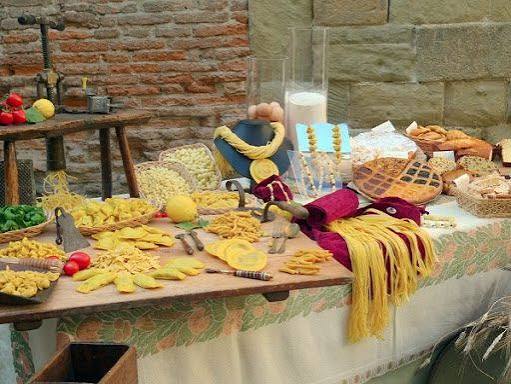
A borderland shaped by history and identity The Valtiberina is a borderland where history, art and traditions blend naturally.Here, villages are not just tourist destinations but living places, deeply connected to their identity and the communities that inhabit them. If you are planning a trip and looking for villages in Valtiberina to explore, this itinerary introduces the most representative towns of the valley, within a broader journey through eastern Tuscany shaped by the Middle Ages, the Renaissance and traditions that are still alive today. Anghiari, the symbol village of Valtiberina Anghiari is one of Italy’s most beautiful villages and embodies the medieval soul of the Valtiberina.Its historic center rises on a hill overlooking the valley and has preserved its original urban structure, made of stone alleys, stairways, arches, small squares, artisan workshops and historic cellars. Anghiari is also deeply connected to its traditions and community life, with a rich calendar of local events that mark the seasons of the valley. Craft fairs, historical reenactments, food festivals and slow tourism events are strongly felt by the local population and reflect a shared cultural identity. Walking through Anghiari means experiencing an authentic Tuscany, far from mass tourism.One of the most evocative streets is Via del Sole, a stone path climbing toward the historic center. In spring, at sunrise, the light naturally aligns with the street, creating a moment that reflects the ancient relationship between the village, the landscape and the cycle of the seasons. Sansepolcro, art, traditions and a culture of making Sansepolcro is the main urban center of the Valtiberina and is known as the birthplace of Piero della Francesca, whose artistic legacy still shapes the town’s cultural identity.Alongside an important artistic and museum heritage, Sansepolcro preserves traditions deeply rooted in everyday life, passed down through generations. One of the most significant is the Palio della Balestra, a historic competition celebrating the Italian crossbow and representing a strong connection to the town’s medieval past. More than a historical reenactment, it remains a moment of shared participation for the local community. Sansepolcro is also closely linked to a long-standing tradition of pasta making, which reflects a broader culture of food, craftsmanship and manual knowledge.This is where the story of Buitoni began, transforming a domestic and artisanal practice into an experience that helped bring Italian pasta to an international audience. Even today, pasta is part of the town’s identity, connected to agricultural roots and everyday gestures that define local life. Alongside its culinary heritage, Sansepolcro is also home to a historic production of Tuscan cigars, another expression of a manufacturing culture based on skill, patience and a deep relationship with the territory. Visiting Sansepolcro means discovering a town where art, traditions and work coexist in balance, offering a clear insight into the cultural soul of the Valtiberina. Caprese Michelangelo, between art and mountains Surrounded by forests in the upper Valtiberina, Caprese Michelangelo is a small village with a quiet and authentic character.It is the birthplace of Michelangelo Buonarroti and hosts the Casa Natale Museum, a meaningful stop for art lovers and curious travelers. Caprese is also connected to a strong agricultural and mountain tradition, celebrated every year through the chestnut festival, which highlights the deep bond between land, seasonality and community life. Pieve Santo Stefano, the City of Diaries and outdoor landscapes Pieve Santo Stefano is known as the City of Diaries and is home to the National Diary Archive, which preserves thousands of personal diaries and memoirs written by ordinary people.The Small Diary Museum offers an engaging and emotional experience through an interactive exhibition that makes the visit meaningful for adults, children and families alike. Beyond its cultural uniqueness, Pieve Santo Stefano is also an ideal base for outdoor activities.The surrounding area is crossed by more than 30 marked walking and cycling trails, suitable for all levels of experience and designed to explore the valley at a slow and natural pace. These routes lead through forests, open pastures and gentle hills, offering changing panoramas, quiet viewpoints and scenic stretches along the Tiber River.Here, cultural discovery and time in nature blend seamlessly, making Pieve Santo Stefano a destination where memory, landscape and slow exploration come together. Monterchi and the Madonna del Parto Monterchi is a small village immersed in a gentle and silent landscape.Here is preserved one of the most moving masterpieces of the Renaissance: the Madonna del Parto by Piero della Francesca. Housed in a dedicated museum, the fresco portrays motherhood with dignity and intensity and has become a symbol of protection and renewal.Visiting Monterchi means entering a quiet and contemplative place, where art and spirituality engage in dialogue with the surrounding landscape. The Madonna del Parto is not just a work of art to admire, but an experience to live, offering a direct encounter with Piero’s poetic language and the deep identity of the Valtiberina. Border villages and hidden corners of the Upper Tiber Valley Beyond the best-known Tuscan villages, the Valtiberina naturally extends across the regional border, offering beautiful Umbrian villages that are easy to reach and easy to include in a discovery itinerary. Among the most worth visiting are: Citerna, a panoramic village overlooking the Upper Tiber Valley Monte Santa Maria Tiberina, an elegant medieval town linked to the history of the Marchesi del Monte Montone, one of Italy’s Most Beautiful Villages, known for its Renaissance character Although located in Umbria, these villages belong to the same historical and landscape context as the Valtiberina and naturally complete a slow and conscious journey through the valley. How to explore the villages of Valtiberina Tuscany The best way to discover the villages in Valtiberina is to take your time, alternating cultural visits with moments of nature and rest.Short distances between villages make it easy to plan day itineraries, long weekends or slow-paced holidays. Traveling through the valley also means enjoying the landscapes that connect each village, moving through hills, forests and white roads, and combining village exploration with nature trails and walking paths. Where to stay to explore Valtiberina villages

Villages in Valtiberina: history, traditions and local identity Read Post »

Things to do in Valtiberina

Things to do in Valtiberina: nature, villages and slow Tuscany

Things to do in Valtiberina: nature, villages and authentic experiences The Valtiberina is a quiet and authentic corner of Tuscany, still far from mass tourism.This is a land where nature, art, spirituality and daily traditions coexist in balance, offering meaningful experiences to travelers looking for a slower and more conscious way of exploring Italy. If you are wondering about things to do in Valtiberina, this guide offers a complete overview of what makes this valley special, from historic villages and landscapes to seasonal rhythms and everyday rural life. A Border Valley Rich in Identity The Valtiberina stretches between Tuscany and Umbria, following the upper course of the Tiber River.As a borderland, it has absorbed artistic, cultural and spiritual influences over the centuries, creating a strong and distinctive identity. This is the birthplace of Piero della Francesca and Michelangelo Buonarroti, and the connection with art, craftsmanship and manual work is still deeply rooted in the territory.Visiting the Valtiberina means discovering an intimate side of Tuscany, made of lived-in villages, green hills, forests and wide open views. Historic Villages to Visit in Valtiberina Tuscany Exploring things to do in Valtiberina also means wandering through small towns rich in history and character: Anghiari, one of the most beautiful villages in Italy, with its perfectly preserved medieval centre Sansepolcro, birthplace of Piero della Francesca, is a lively cultural hub with museums, events and local life Pieve Santo Stefano, known as the “City of Diaries”, preserves the memory of everyday Italian life through its unique national archive Caprese Michelangelo, a small village surrounded by forests, birthplace of Michelangelo Buonarroti, where to visit his Museum offers a quiet, authentic atmosphere. Walking through stone alleys, historic squares and artisan workshops allows you to experience the true soul of Valtiberina. Nature, Landscapes and Outdoor activities Valtiberina Tuscany is an ideal destination for nature lovers and slow travel enthusiasts. Rolling hills, forests, white roads and panoramic trails create a varied landscape that invites exploration at an unhurried pace. walking and hiking routes across the valley mapped mountain bike and e-bike trails available via dedicated apps itineraries suitable for different experience levels relaxation and scenic views around Lake Montedoglio Horseback riding excursions are also very popular, offering a quiet and evocative way to cross the countryside and forests in harmony with nature. Spring and summer are ideal for outdoor activities, while autumn offers intense colours and particularly charming atmospheres. Spiritual Places and Franciscan Paths   The Valtiberina is also a land of silence and spirituality, crossed for centuries by the paths connected to Saint Francis of Assisi. Among the most meaningful places are the Sanctuary of La Verna, immersed in the forests of the Casentino area, the Franciscan hermitage of Montecasale near Sansepolcro, and the Eremo del Cebaiolo, a secluded site overlooking the valley. These locations are connected by a network of trails ideal for combining walking, reflection and deep contact with nature, offering a more essential and authentic way to experience Tuscany. Art, Traditions and Local Craftsmanship Understanding things to do in Valtiberina also means engaging with a heritage shaped by art, craftsmanship and traditional knowledge. In Anghiari, you can explore the historic textile tradition of Busatti looms, one of Italy’s most important artisan manufacturers, where traditional weaving techniques are still used today. In Sansepolcro, a historic production of Toscano cigars represents another expression of local craftsmanship deeply rooted in manual work. Agricultural traditions are celebrated through seasonal events such as the Castagna DOP Festival in Caprese Michelangelo, dedicated to chestnuts one of the valley’s symbolic products. Alongside chestnuts, truffles—especially those from nearby Città di Castello—play an important role in local gastronomy, closely linked to forests and seasonality. Authentic Experiences Connected to Country Life The Valtiberina offers simple yet meaningful experiences rooted in the rhythms of the countryside: traditional Tuscan cuisine organic and local products seasonal farming activities silence, slow time and connection with nature These experiences are ideal for travelers seeking a restorative stay, far from crowded destinations and closer to what is essential.. Events and Seasons: When to Visit Valtiberina Tuscany Each season reveals a different side of the valley, shaped by a calendar of local events that reflect the rhythms of rural life and community traditions: spring brings renewed life to villages through nature and small local events summer is the time for outdoor activities and relaxed days by the lake autumn highlights harvests, rural traditions and warm colors across the landscapevillages, nature, craftsmanship and events The Valtiberina can be enjoyed year-round by following the natural rhythm of the seasons and choosing a different way to explore it each time. Where to Stay to Discover Valtiberina Tuscany To truly discover the Valtiberina, it helps to stay immersed in its landscape.Choosing accommodation surrounded by nature allows visitors to slow down, reconnect with silence and experience the valley more consciously. At Le Ceregne Bio, guests are welcomed with simplicity and care, in a place where the countryside sets the pace of each day.From here, it is easy to explore villages, walking paths and spiritual sites, while enjoying activities that naturally complement the stay, such as tastings, cooking, trekking, cycling or moments of rest in nature. It is a way of traveling made of small gestures, unhurried time and a deeper connection with the territory. To plan your stay in the Valtiberina consciously, you can explore our rooms and the experiences we offer. Discover our rooms Discover our experiences What Our Guests Are Saying:

Things to do in Valtiberina: nature, villages and slow Tuscany Read Post »

Scroll to Top